Located about 45 kilometers west of Hanoi, Duong Lam Ancient Village is one of the rare places where Vietnam’s rural past still feels intact. Often described as a “living museum,” the village preserves centuries-old architecture, traditional farming life, and a deep sense of community that has quietly resisted the pace of modern development.
Heritage of Architecture & Culinary Traditions
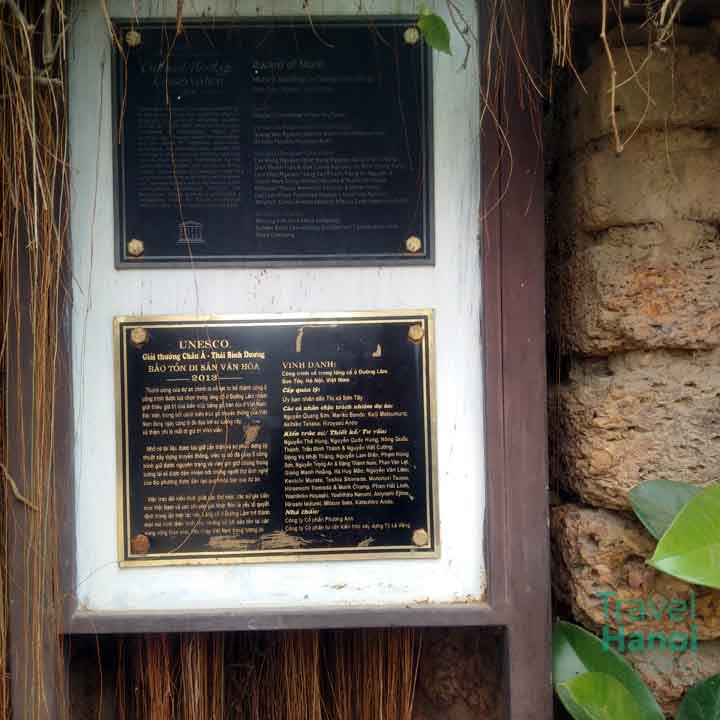
Duong Lam is famous for its laterite stone houses, a distinctive building material unique to the region. These honey-colored stones give the village a warm, earthy appearance, especially under afternoon sunlight. Many houses are over 200 years old, with wooden beams, clay walls, tiled roofs, and spacious courtyards that reflect traditional Northern Vietnamese architecture.
Food is another pillar of Duong Lam’s identity. The village is known for rustic specialties such as kẹo dồi, chè lam, and fermented dishes prepared using age-old techniques. Meals here are simple, seasonal, and deeply connected to agricultural life – food as sustenance, not spectacle.

Traditional Crafts & Village Livelihood
While Duong Lam is no longer centered on a single craft, its traditions are embedded in everyday practices. Villagers continue to make rice wine, soy-based products, and handmade sweets using family recipes passed down through generations. Farming remains central to life here, with rice fields, vegetable gardens, and fruit trees surrounding the village.
What makes Duong Lam special is not production volume, but continuity – traditions surviving quietly, without being reshaped purely for tourism.

What to See & Do in Duong Lam Ancient Village
1. Walk the Old Village Roads & Explore Laterite Houses
Wandering through Duong Lam’s narrow lanes is like stepping back in time. The laterite walls, ancient wells, and shaded courtyards create a peaceful atmosphere rarely found near a capital city. Some houses are open to visitors, allowing you to sit, talk with homeowners, and understand how architecture adapts to climate and community life.
2. Visit Mong Phu Communal House
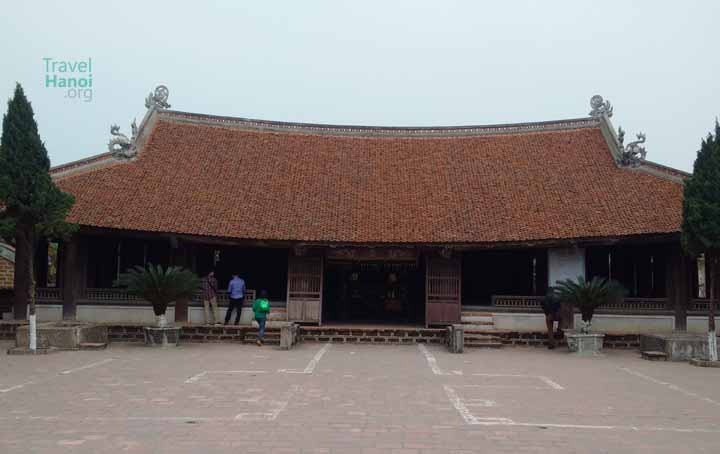
The Mong Phu Communal House is the spiritual and cultural heart of the village. Built in the 17th century, it showcases classic Vietnamese communal architecture and serves as a gathering place for festivals and ceremonies. The surrounding banyan trees and village pond complete a scene that feels timeless.
3. Explore Ancient Village Gates & Wells
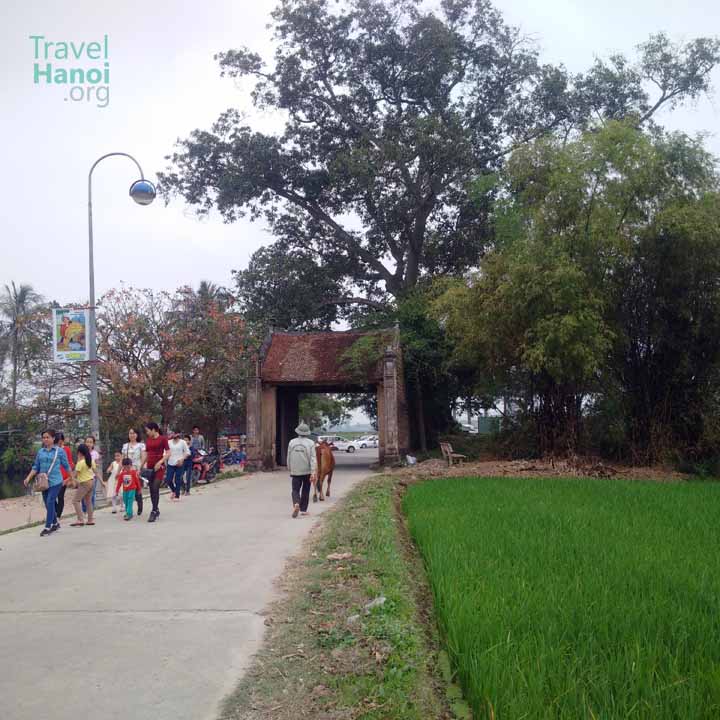
Duong Lam still retains several old village gates and communal wells—symbols of protection, identity, and shared resources. These quiet landmarks offer insight into how villages were organized socially and geographically in the past.
4. Discover Local Food & Home-Style Cooking
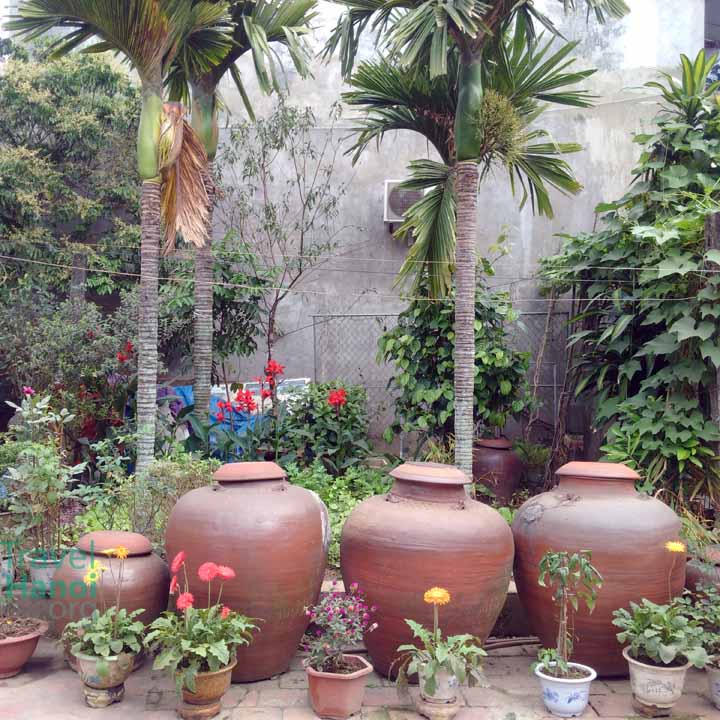
Many families open their homes to serve traditional meals or sell local specialties. Tasting chè lam or sipping homemade rice wine while seated in an ancient courtyard is one of the most authentic experiences Duong Lam offers.
5. Visit the Temples of Two Kings
Duong Lam is the birthplace of two Vietnamese kings – Phung Hung and Ngo Quyen. Their temples, located within the village, add historical depth and highlight Duong Lam’s national significance beyond its architecture.




Traveling to Duong Lam Village
Duong Lam is easily reached from Hanoi by car or motorbike and makes an ideal half-day or full-day cultural trip. The village is best explored on foot or by bicycle, allowing time to observe details, interact with locals, and absorb the calm rhythm of rural life.
Duong Lam doesn’t try to impress – it simply endures. And that quiet resilience is what makes it unforgettable.